


Living in Griffintown: what to know before buying a condo
In about fifteen years, Griffintown has become one of Montréal’s most sought-after neighbourhoods. I sell and lease condos there every month and manage buildings there with Gestioncondo: here is what I look at with my clients before they buy.
One neighbourhood, several realities
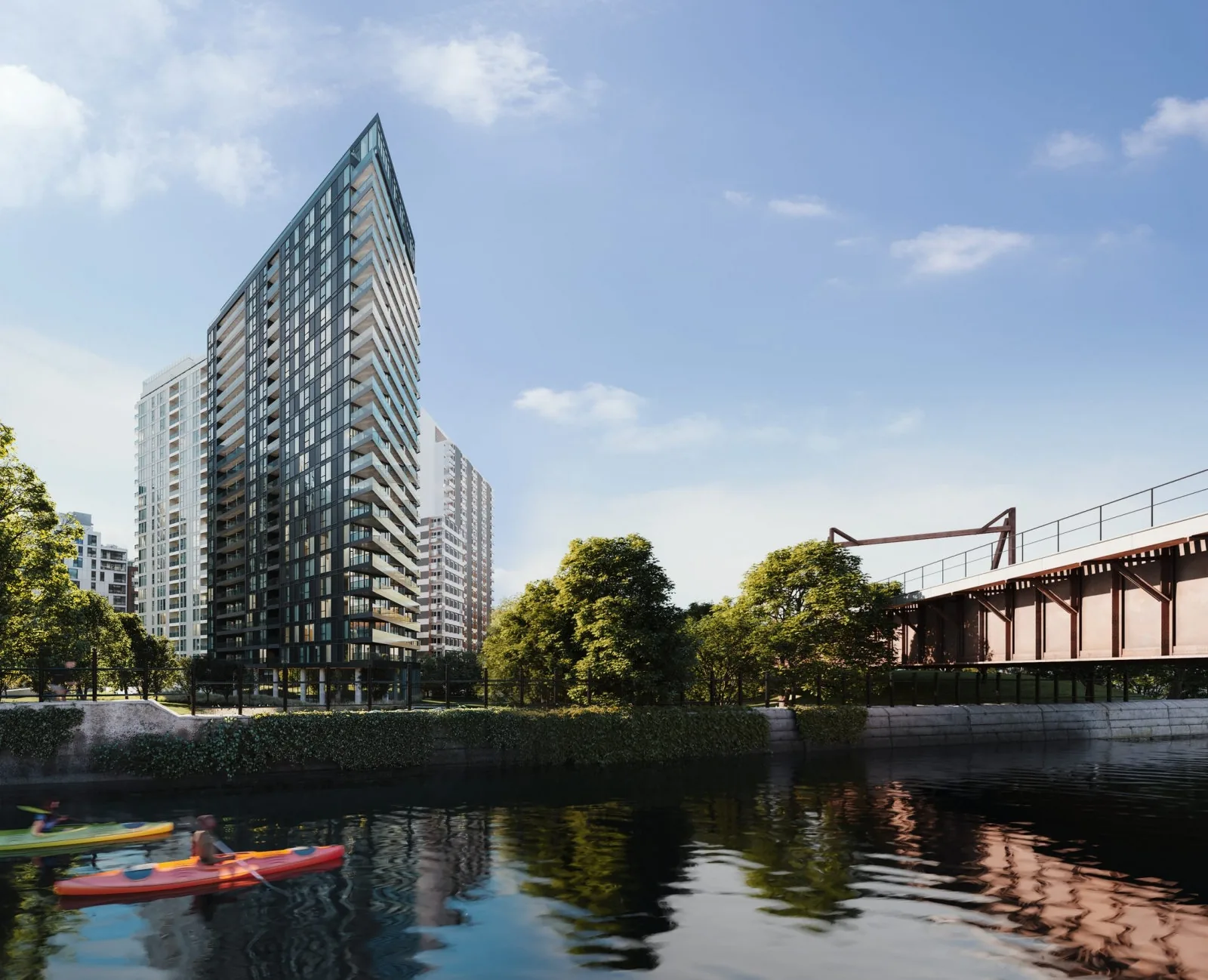
Between Peel Street, the Lachine Canal and the Bonaventure expressway, Griffintown mixes recent towers, converted industrial buildings and small buildings. A unit facing the canal and one facing a busy street or a construction site don’t have the same value or resale. Orientation, floor and view matter as much as square footage.
Choosing the right building
- The developer and the building’s age: ask about warranties still in force and repairs done or expected.
- The condo syndicate: minutes, financial statements, contingency fund study and maintenance log. An organized syndicate protects your investment.
- Amenities: gym, terrace, concierge, parking, storage. They improve quality of life, but they weigh on condo fees.
What to check in the unit
Sound insulation between units, ventilation, windows and air conditioning: in a glass condo, summer comfort depends heavily on orientation. As an engineer by training, I always review these with the inspector rather than relying on photos.
Buying to live in or to rent
Rental demand is strong in Griffintown thanks to its proximity to downtown, ÉTS and offices. Before buying to rent, check that the building’s by-laws allow rentals and under what conditions: some condominiums restrict short-term rentals.
My advice
Always compare the unit with recent sales in the same building: it is the best indication of fair price. I prepare that analysis for you before any visit.
Planning a move in Montréal or on the South Shore? Write to me or call 514 449-8177 for a personalized, no-obligation analysis.
Read also
Buying a house in Brossard: understanding the lettered sectors
Selling your condo: the documents and preparation that save time